This is a tighter, more tactical read than most affiliate ebooks. No 101 definitions, no vendor rah-rah. It's the same approach we use with B&H Photo Video, MGM Resorts, and TicketNetwork. Condensed into something you can finish in an afternoon and act on tomorrow.
Chapter 01

Why run your program privately
Public networks are easy to start on and expensive to grow on. Here's the honest tradeoff.
The affiliate channel drives roughly 15% of digital-media revenue and, done well, adds ~30% to top-line for programs that treat it as a real channel instead of a coupon rebate line. That's not the argument. The argument is where the program lives.
Public networks (the ones whose names you know) let you launch in a week. In exchange, you rent the relationship with your affiliates, pay a network override on every dollar they drive, and inherit whatever attribution defaults the network ships with. For a brand doing $2M a year in the channel, that's fine. For a brand doing $50M+, it's a tax that quietly funds your competitors' onboarding motion.
What changes when the program is yours
- You own the affiliate relationship, the data, and the payout terms. Not a network.
- You keep the network override (typically 20–30% of commissions paid).
- Attribution rules match how your business actually works, not the network's default.
- Affiliates sign up on your domain, log in to your dashboard, and see your brand. Not a marketplace's.
- You can offer terms (rate cards, exclusives, hybrid CPA + placement) that networks won't let you configure.
B&H Photo Video
B&H runs one of the largest private affiliate programs in North America. Category-based commission rules, tiered payouts, and a fully private-labeled affiliate portal. All on B&H infrastructure. The override savings alone paid for the migration in the first year.
The rest of this playbook is the mechanical stuff: attribution, commissions, what a private-labeled affiliate experience actually looks like, and how you pay thousands of partners without a headache.
Chapter 02
Attribution & tracking that survives ad blockers
Last-touch cookies default. Server-side wins. Here's what to configure and why.
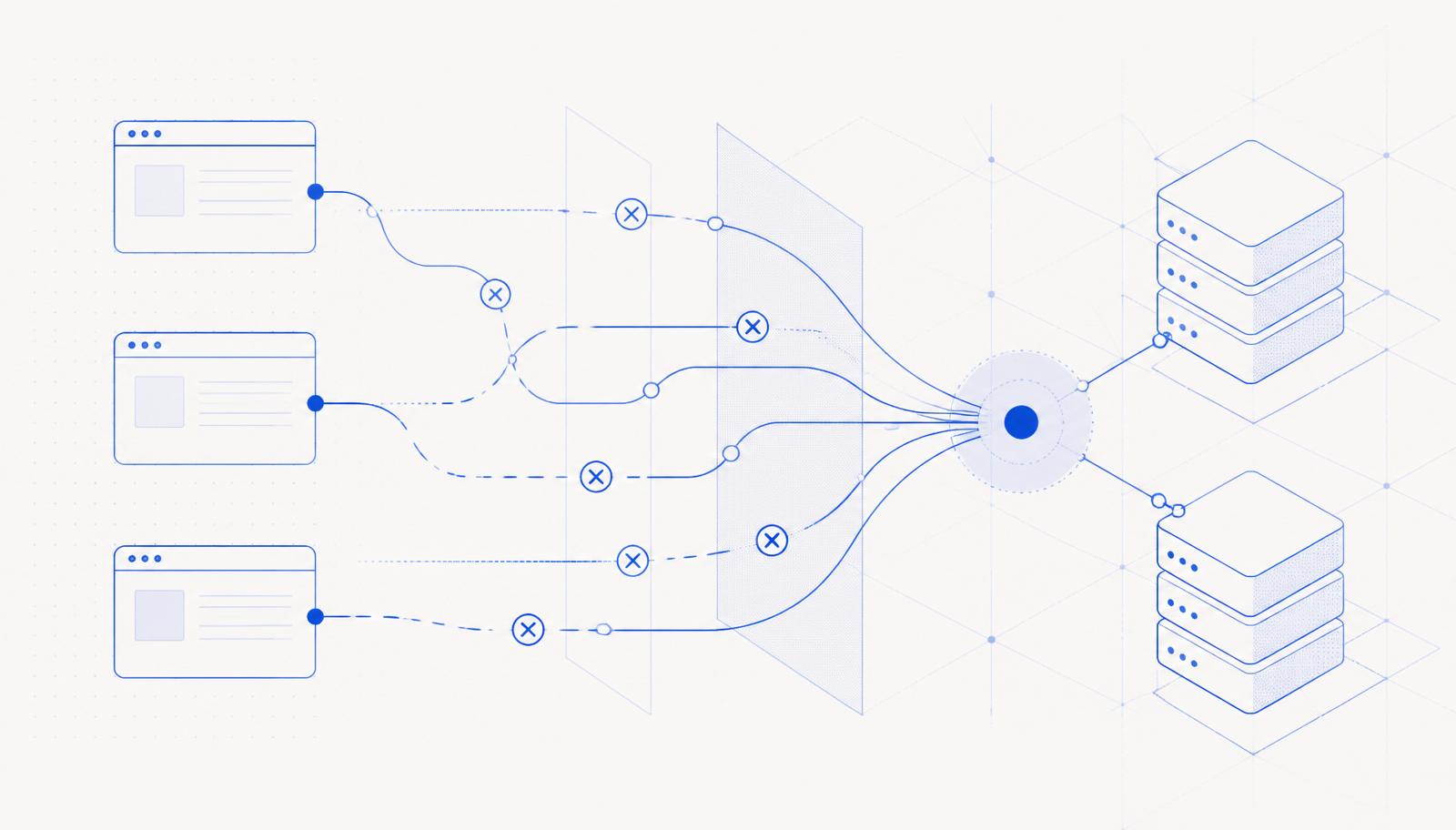
The default in almost every affiliate program is last-click, cookie-based, 30-day. That default made sense in 2008. It doesn't now. Safari's ITP shortens third-party cookies to seven days (or less), Firefox blocks them outright, and roughly a third of your buyers use an ad blocker of some kind. If your attribution lives entirely in a cookie, you're paying commissions on a fraction of what the channel actually drove.
The three tracking layers you actually need
- First-party cookie set on your domain (not the network's). Survives most privacy defaults.
- Server-side pixel fired from your checkout / conversion endpoint. The source of truth, immune to ad blockers.
- Deterministic match (order ID → click ID) reconciled nightly. This is the layer that catches everything the pixel missed.
The programs that grew through 2023–2025 all have one thing in common: server-side is the primary tracking method, and the cookie is the fallback.
First-click vs. last-click. Why the default costs you the affiliates you want
Last-click is easy to explain and easy to game. Coupon and loyalty sites live at the bottom of the funnel. They'll always win a last-click contest. Content affiliates, reviewers, and newsletter partners drive the intent, then a coupon site catches the click on the way to checkout and takes the commission. Those content affiliates leave, and the program becomes a coupon rebate channel.
The fix is not to ban coupon sites. It's to split credit: a smaller share of the commission to a first-click content partner, the remainder to the last-click partner. Every serious program we work with runs some version of this.
Practical default
Start with 30% first-click / 70% last-click on any sale where two distinct affiliates touched the customer inside a 30-day window. Tune from there.
Chapter 03
Commission structures that reward the right behavior
Flat rates are the reason your top affiliates stop caring. Here's what to do instead.
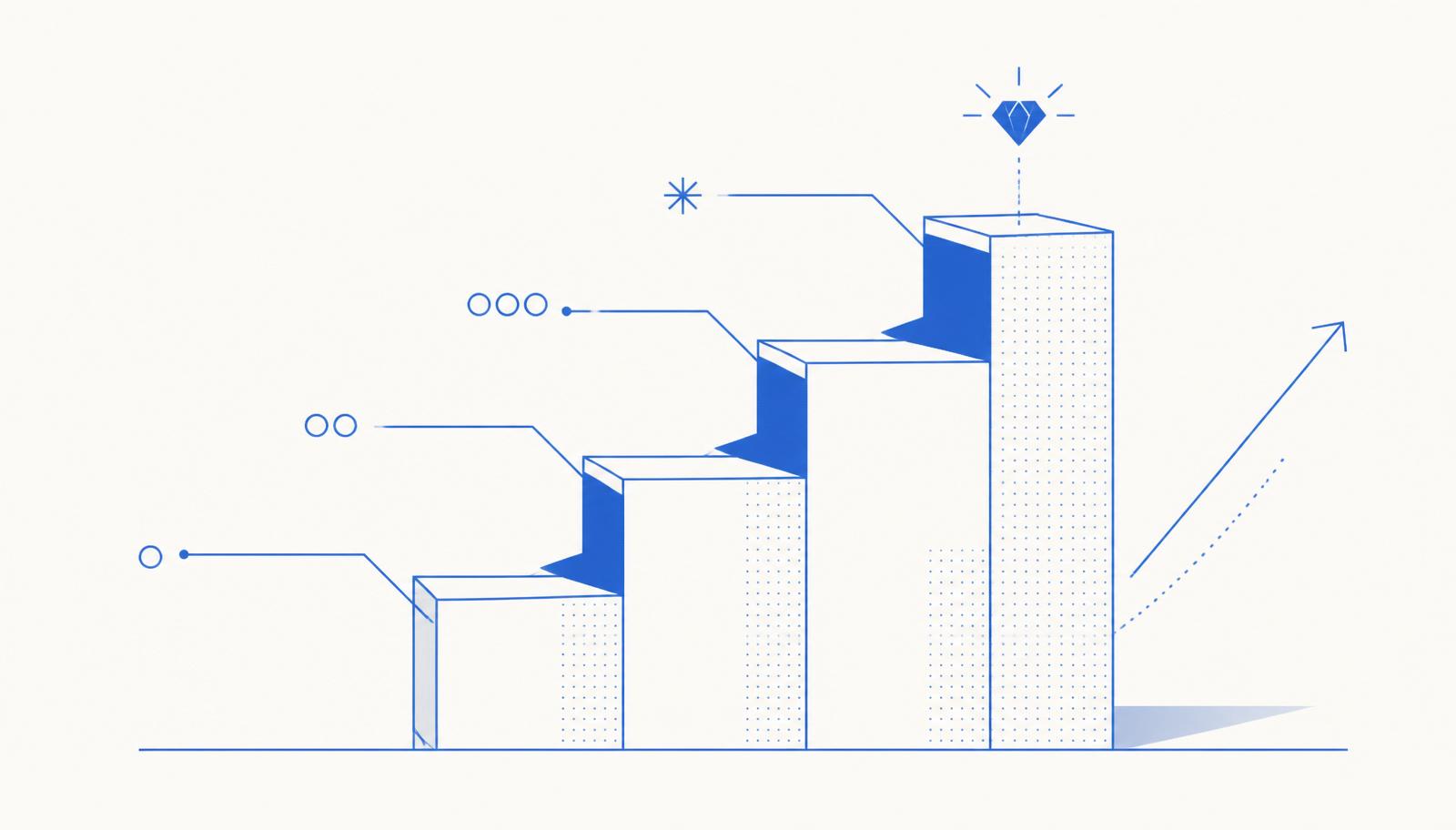
A single flat commission rate. Say, 8% across the board. Is administratively simple and strategically lazy. It pays the affiliate driving $200 a month the same rate as the one driving $200K, and it signals that you don't distinguish between them. Both of them notice.
Four commission mechanics worth stacking
- Tiered rates by volume. 6% up to $10K/mo, 9% $10–50K, 12% above. Top partners feel it in their bank account, not just their inbox.
- Category rules. Higher rates on high-margin SKUs, lower on low-margin. Aligns the affiliate's incentive with your P&L.
- New-customer bonus. A flat $ bump or percentage kicker on first-order-ever conversions. Cheap way to get your best affiliates optimizing for acquisition, not repeat.
- Placement bonuses. Flat monthly fees paid to a small handful of premium content partners for guaranteed placement, on top of CPA. This is where the private-program model beats public networks by a mile.
Every commission dollar should answer one question: what behavior am I paying for? If you can't answer it in a sentence, the rate is wrong.
What to avoid
- Paying commissions on returns. Set a reversal window (typically 14–30 days) and reconcile before payout.
- Paying every affiliate the same rate. It's fair. It's also why your top ten partners stop pushing you.
- Retroactive rate cuts. If a promotion overshoots and you claw commissions back, expect churn. Even from the affiliates you didn't cut.
Chapter 04
The private-labeled affiliate experience
The program should look and feel like part of your brand, not a marketplace booth.
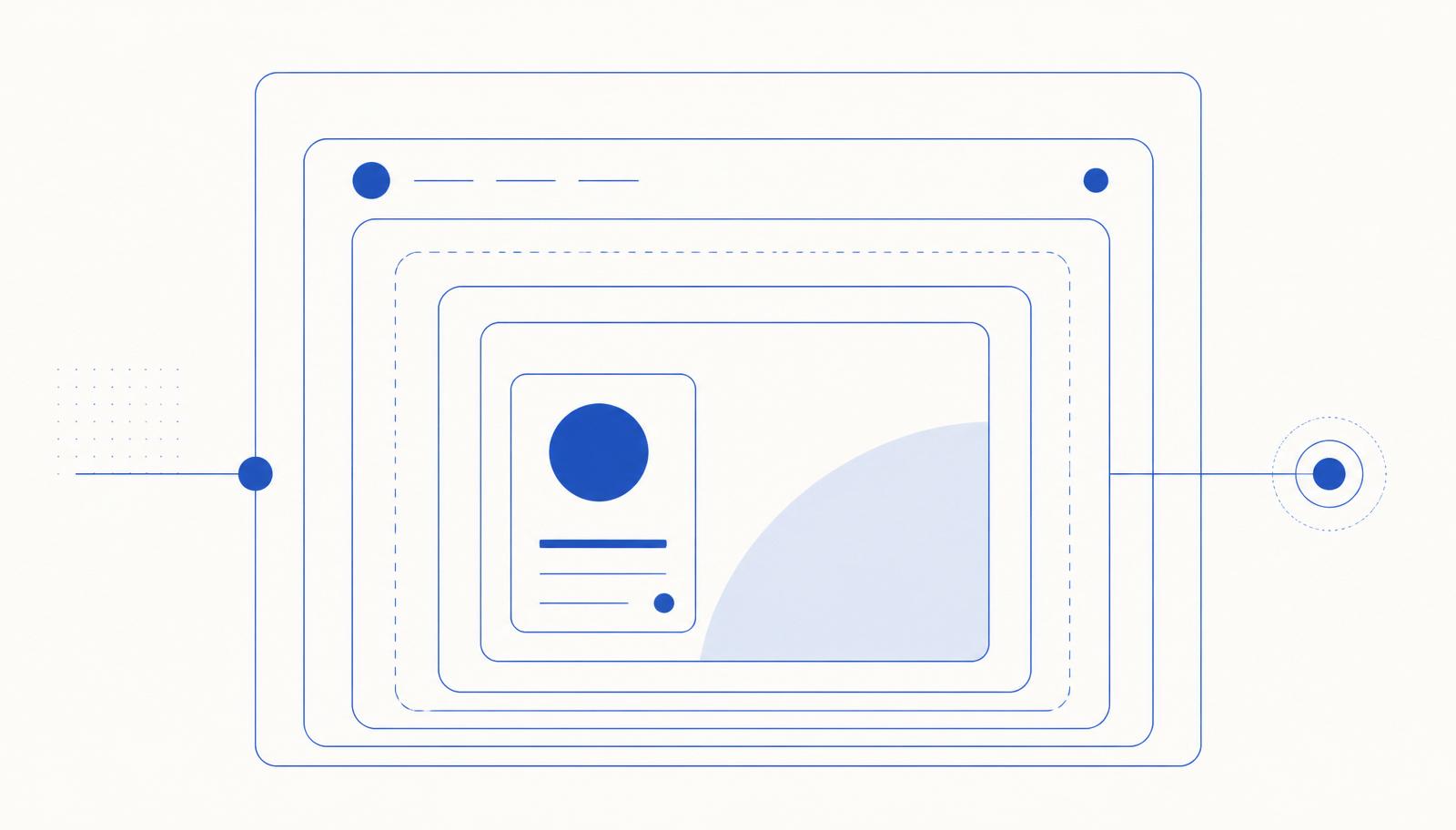
When an affiliate signs up for a public-network program, they land on the network's site, fill out the network's form, log into the network's dashboard, and pull creatives from the network's library. Your brand is a logo on a tile in a directory of thousands. The affiliate's day-to-day relationship is with the network. Not with you.
A private-labeled program flips every one of those touchpoints back to your domain and your brand.
What private-label actually means, end to end
- Signup lives at affiliates.yourbrand.com (or /affiliates on your main domain). Your typography, your tone, your legal terms.
- Affiliate dashboard is on your infrastructure. Your logo, your colors, your product taxonomy. Configurable per program if you run several brands.
- Creative library is your brand-approved assets, versioned, with clear usage rules. No 2015 banner ads floating around.
- Deep links resolve to your PDPs, respect your UTM conventions, and pass through your analytics stack cleanly.
- Payout statements, tax forms, and support emails go out under your brand. Not a network's white-label wrapper.
Why it matters commercially
Affiliates who feel like partners of your brand renew, upsell themselves onto higher-value SKUs, and refer other affiliates. Affiliates who feel like line items in a network directory churn to whichever competitor offers a 1% higher rate.
Chapter 05
Payments, tax & running it at scale
PayPal, ACH, checks, 1099s, and the relationship playbook for thousands of active partners.
Payments
- Monthly payout cycle with a Net-30 or Net-60 window after the reversal period closes. Predictable dates matter more than fast dates.
- Support at least three rails: ACH for domestic, PayPal for global small partners, wire for enterprise partners over a threshold. Checks for the handful of publishers who still require them (yes, there are still some).
- Minimum payout threshold ($50 is standard) to avoid transaction-cost bleed on tiny balances. Carry sub-threshold balances forward.
Tax & compliance
- Collect W-9s from US affiliates and W-8BENs from non-US affiliates at signup. Block payouts until the form is on file. Retroactively chasing them is painful.
- 1099-NEC generation for any US affiliate paid $600+ in a calendar year. Automate this; don't do it in a spreadsheet in January.
- State-level nexus considerations if you're paying affiliates in states with click-through nexus rules (New York, California, others). Talk to your tax counsel; the playbook varies.
Managing thousands of active partners
- Segment aggressively. Top 20 partners get quarterly reviews with a real human. Next 200 get monthly performance emails. The long tail gets a solid self-serve dashboard and a good docs site.
- Publish a program handbook. Commissions, exclusions, promotional windows, brand guidelines. And keep it current. This is the single highest-leverage thing you can do for affiliate support load.
- Track partner health, not just conversion. An affiliate whose traffic is dropping is a churn risk before their commissions do.
The programs that run at scale don't do it by managing thousands of relationships. They do it by making 20 relationships great and the other 2,000 mostly self-serve.
Next
That's the playbook. Where to next.
MYAP is the platform we built to make all of the above the default instead of a project. Private-labeled portals, server-side tracking, flexible commission engines, payments and 1099s handled. If any of this resonated, the fastest next step is a two-week free trial. Or a 20-minute call with someone who's set up a program like yours before.